Effects of Stress on the Body: What Happens and What Helps
Learn how stress hormones like adrenaline and cortisol affect your body in the short and long term, plus practical steps to feel calmer and when to seek help.
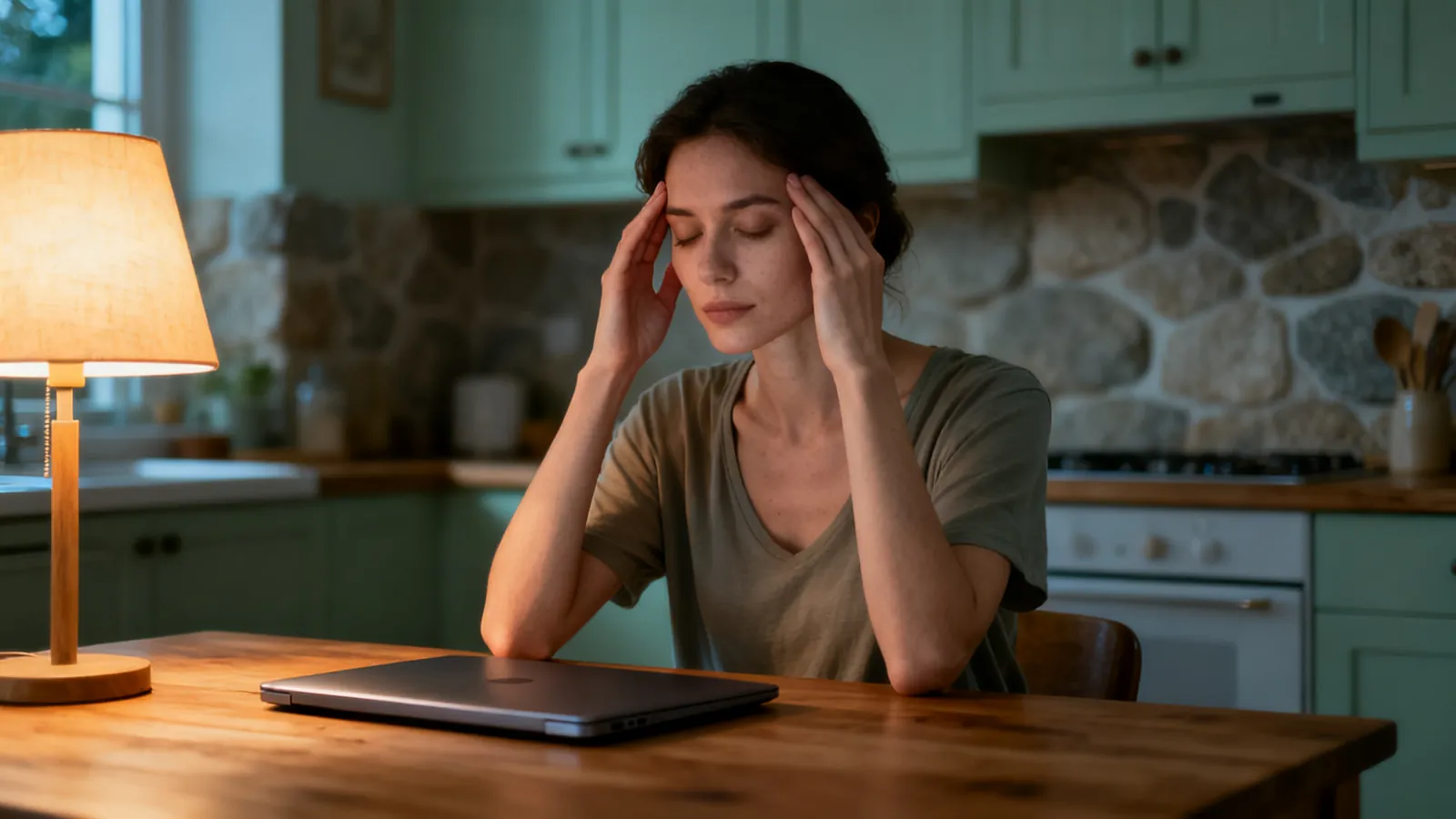
Stress is the body’s response to a demand or threat. When the brain perceives a challenge, it signals the release of hormones that prepare the body for action. This response is useful in short bursts: it sharpens focus, speeds up reaction time and provides energy. When stress continues for weeks or months, the same systems stay switched on, and that is when many people start to notice changes in sleep, digestion, mood and muscle tension. This guide explains what happens in the body, what those changes feel like, and what you can do to support yourself. It does not diagnose any condition and does not replace medical advice.
What Happens in the Body Under Stress
When the brain detects a stressor, two main pathways activate. The first is the sympathetic nervous system, which releases adrenaline. Adrenaline increases heart rate, raises blood pressure and redirects blood flow to major muscles. This happens within seconds. The second pathway involves the hypothalamic-pituitary-adrenal (HPA) axis, which triggers the release of cortisol. Cortisol increases blood sugar, suppresses non-essential functions and helps the body sustain energy over a longer period.
In the short term, these changes are helpful. They allow you to respond quickly to a deadline, a near-miss in traffic or a difficult conversation. Once the challenge passes, the parasympathetic nervous system brings the body back to a resting state. Heart rate slows, digestion resumes and muscle tension eases.
When stress becomes chronic, the system does not fully return to baseline. Adrenaline and cortisol remain elevated, and the body stays in a low-level alert state. This can affect sleep, digestion, immune function and mood. The signs are often subtle at first and easy to dismiss.
Common Signs of Ongoing Stress
People experience stress differently, but some patterns are common when stress runs for weeks.
Sleep
Trouble falling asleep or staying asleep is one of the first signs. The mind may race at bedtime, or you may wake at 3 a.m. with a sense of alertness. Over time, poor sleep can make stress feel worse, creating a loop.
Digestion
Stress can slow digestion or speed it up. Some people notice bloating, stomach pain, constipation or loose stools. Appetite may change, with some people eating more and others less.
Muscle tension and pain
The neck, shoulders and jaw often hold tension. This can lead to headaches, jaw clenching or back pain. The body may feel tight even when you are not actively worried.
Mood and thinking
Irritability, feeling overwhelmed and difficulty concentrating are common. Small tasks may feel heavy. Some people feel more emotional or tearful than usual.
Heart and breathing
A faster heartbeat, a feeling of tightness in the chest or shallow breathing can occur. These signs overlap with other conditions, so they are worth mentioning to a doctor.
None of these signs mean you have a specific disorder. They are signals that the body is under load. If they persist, they are worth taking seriously because they affect quality of life and can make daily tasks harder.
What People Get Wrong About Stress
A common mistake is to think that stress is only in the mind. The body’s stress response is physical, and it affects real systems: cardiovascular, digestive, immune and musculoskeletal. Ignoring physical signs does not make them go away.
Another mistake is to wait until a breaking point before making changes. Small, consistent actions support the body’s return to baseline more effectively than one large effort.
Some people believe that if they cannot remove the source of stress, nothing will help. While it is true that some stressors cannot be removed, the body’s response can be moderated through breathing, movement, sleep routines and boundaries. These do not cure or treat any condition, but many people find they feel calmer and more in control.
A further error is to rely on quick fixes that do not address the underlying pattern. For example, using alcohol to fall asleep may help initially but disrupts sleep later in the night. Similarly, pushing through fatigue without rest can deepen the stress response.
Finally, some people assume that stress only matters if it is severe. Low-grade, constant stress also has effects. It can drain energy and make it harder to enjoy daily life.
A Step-by-Step Practice to Calm the Stress Response
This breathing exercise activates the parasympathetic nervous system, which helps counter the stress response. It can be done sitting or lying down. The counts are simple: inhale for four seconds, hold for four, exhale for six. The longer exhale is key because it stimulates the vagus nerve, which supports relaxation.
Step 1: Settle in
Sit comfortably with your back supported. Place one hand on your belly and the other on your chest. Close your eyes if that feels comfortable, or soften your gaze downward.
Step 2: Inhale for four seconds
Breathe in through your nose for a count of four. Let the belly rise under your hand. The chest should move only slightly.
Step 3: Hold for four seconds
Pause gently at the top of the inhale. Do not clamp down or strain. If holding feels uncomfortable, shorten the hold to two seconds or skip it.
Step 4: Exhale for six seconds
Breathe out through your mouth or nose for a count of six. Let the belly fall. The exhale should be slow and steady, not forced.
Step 5: Repeat for five minutes
Continue the cycle for five minutes. That is about 20 cycles. If you lose count, simply start again at four. The goal is not perfect counting but a slower, steadier rhythm.
Step 6: Return to normal breathing
When you finish, let your breath return to its natural pace. Notice how your body feels. Some people feel calmer, others feel slightly more awake. Both are normal.
If you feel dizzy or lightheaded at any point, stop and breathe normally. People who are pregnant or have a heart or lung condition should check with a clinician before doing long breath holds.
This practice is not a treatment for any condition. It is a tool that can help you feel calmer in the moment. Many people find it useful before sleep or during a stressful day.
How This Practice Compares to Other Approaches
| Approach | What it involves | Best for | When it may not fit |
|---|---|---|---|
| 4-4-6 breathing | Inhale 4s, hold 4s, exhale 6s for 5 minutes | Acute moments of tension, before sleep | If breath holds cause dizziness or anxiety; check with a clinician if pregnant or with heart/lung conditions |
| Progressive muscle relaxation | Tense and release muscle groups one by one | Physical tension, jaw clenching, shoulder tightness | If you have an injury or chronic pain, consult a professional first |
| Walking | 10–20 minutes at a comfortable pace | Restless energy, mild stress, transition between tasks | If mobility is limited or weather is unsafe; indoor walking or seated movement can be alternatives |
| Journaling | Writing thoughts and feelings for 10 minutes | Racing mind, difficulty winding down | If writing feels like a chore or increases focus on problems, try a different outlet |
Each approach has a place. The best one is the one you will actually do. Combining a breathing practice with a short walk and a consistent sleep schedule often works better than any single method alone.
When Stress Is Worth Discussing With a Professional
Stress is a normal part of life, but some signs suggest it is time to seek support. Talk to a doctor or mental health professional if you notice:
- Sleep problems that last more than a few weeks
- Persistent changes in appetite or digestion
- Feeling unable to cope with daily tasks
- Frequent headaches, chest tightness or unexplained pain
- Using alcohol or other substances to manage stress
- Feeling hopeless, worthless or numb
If you have thoughts of harming yourself or others, contact local emergency services right away. In the US, you can call or text 988 for the Suicide & Crisis Lifeline. In the UK, call 111 or contact Samaritans. These services provide immediate support.
A doctor can help rule out other causes for symptoms like chest pain, digestive issues or sleep problems. They can also refer you to a therapist or counselor who can teach coping strategies. Stress is not a sign of weakness, and seeking help is a practical step.
Supporting the Body Day to Day
Beyond breathing exercises, small daily habits can help moderate the stress response. These are not cures, but they support the body’s natural recovery systems.
Sleep routine
Go to bed and wake up at roughly the same time each day. Keep the room cool, dark and quiet. Avoid screens for 30 minutes before bed. If you cannot sleep, get up and do something calm until you feel sleepy.
Movement
Any movement counts. A short walk, stretching or dancing to one song can help discharge excess adrenaline. Aim for movement that feels good, not punishing.
Food and water
Eat regular meals and drink water throughout the day. Skipping meals can make stress feel worse because blood sugar drops. Caffeine and alcohol can interfere with sleep and make tension worse for some people.
Boundaries
Notice what drains you. Saying no to one extra commitment can free up time for rest. This is not selfish; it is maintenance.
Connection
Talking to a trusted friend or family member can reduce the sense of isolation that often comes with stress. Even a brief check-in helps.
What to Expect When You Start
When you begin a practice like breathing or walking, you may not feel different immediately. The body’s stress response is not switched off in a single session. Many people notice small shifts first: a slightly easier time falling asleep, a little less jaw tension, or a moment of calm in the middle of a busy day.
Consistency matters more than intensity. Five minutes of breathing most days is more helpful than one long session once a month. If you miss a day, simply start again.
Some days will feel harder. That is normal. The goal is not to eliminate stress but to give the body regular opportunities to return to baseline. Over time, these small pauses can add up to a greater sense of steadiness.
If you try these practices and still feel overwhelmed, that is a signal to seek professional support. You do not have to manage everything alone.
Common questions
What are the physical signs of stress?
Common physical signs include headaches, muscle tension, jaw clenching, stomach upset, changes in appetite, trouble sleeping, and a faster heartbeat. These signs are not a diagnosis but can indicate the body is under load. If they persist, talk to a doctor.
How does stress affect sleep?
Stress can make it harder to fall asleep and stay asleep. The mind may race at bedtime, or you may wake early with a sense of alertness. Poor sleep can then make stress feel worse, creating a cycle. A consistent bedtime routine and relaxation practices can help.
Can stress cause digestive problems?
Yes, stress can affect digestion. It may slow digestion or speed it up, leading to bloating, stomach pain, constipation or loose stools. These symptoms can also have other causes, so see a doctor if they are severe or ongoing.
What can I do to reduce the effects of stress on my body?
Practices like slow breathing, progressive muscle relaxation, regular movement, and good sleep habits can help moderate the stress response. Many people find that a daily 5-minute breathing exercise makes a difference. If stress feels unmanageable, seek support from a professional.
When should I see a doctor about stress?
See a doctor if stress is affecting your daily life, sleep, or mood for more than a few weeks, or if you have chest pain, persistent digestive issues, or feel unable to cope. If you have thoughts of self-harm, contact emergency services immediately.
Read next

Burnout: Signs, Symptoms and What Helps
Learn to recognise burnout symptoms like exhaustion and cynicism, how it differs from tiredness, and practical steps for recovery and when to seek help.

Feeling Overwhelmed: What to Do in the Moment
Feeling overwhelmed is a stress response, not a personal failing. Learn a five-step way to steady yourself, plus when to talk to a doctor or therapist.

Signs of Chronic Stress: What to Notice and When to Seek Help
Learn the physical, emotional, and behavioral signs of chronic stress, how to do a simple weekly self-check, and when to see a doctor for symptoms.