Pursed-Lip Breathing: How to Do It Right
Learn pursed-lip breathing: inhale through the nose, exhale slowly through pursed lips. Step-by-step guide, beginner version, and when to use it.

Pursed-lip breathing is a simple technique that changes how you exhale. Instead of letting air rush out, you breathe out through lips shaped as if you were about to whistle. The narrow opening creates a gentle resistance, which slows the exhale and helps keep airways open a little longer. Many people find it makes breathing feel less effortful and helps them feel calmer.
It is used in everyday situations—climbing stairs, after physical exertion, or during moments of stress—and it is also taught in pulmonary rehabilitation for people with lung conditions. The pattern is easy to learn and can be done anywhere, without equipment.
What pursed-lip breathing is and why it helps
When you breathe out through pursed lips, the slight back-pressure helps keep the small airways from collapsing too early. This can make each breath feel more complete and less rushed. The slow exhale also activates the part of the nervous system that calms the body, which is why many people notice a drop in tension.
The technique is not a cure for any condition. It is a way to pace your breathing and give yourself something concrete to focus on. People who use it for a lung condition such as COPD should follow the instructions from their own clinician, because the timing may need to be adjusted.
How to do pursed-lip breathing: step by step
- Sit comfortably or lie down. Let your shoulders drop. You can also do this standing or walking.
- Close your mouth and breathe in through your nose for a count of 2. Keep the inhale gentle—no need to fill your lungs completely.
- Purse your lips as if you are going to blow out a candle, but keep the lips relaxed, not tight.
- Breathe out slowly through the pursed lips for a count of 4. The exhale should be about twice as long as the inhale. Let the air flow, do not force it.
- Repeat. Aim for 5 to 10 breaths. You can do this several times a day, or whenever you notice your breathing feels fast or shallow.
If a count of 2 and 4 feels too long, shorten it: inhale for 1, exhale for 2. The ratio matters more than the exact numbers. As you get comfortable, you can lengthen both counts, but keep the exhale longer than the inhale.
Beginner version
Start by just noticing your natural breath for a few seconds. Then, without changing anything, place one hand on your belly and one on your chest. Breathe in through your nose for a count of 1, and out through pursed lips for a count of 2. Do 3 breaths. That is enough for the first try. If it feels okay, add one breath each day until you reach 5 to 10.
What it feels like the first time
Most people notice that the exhale takes more effort than usual, but in a gentle way. The breath may feel slower and more controlled. Some feel a slight sense of relaxation in the shoulders or jaw. If you feel dizzy or lightheaded, stop and breathe normally. Do not push through it.
When to use it
Pursed-lip breathing is useful in several everyday moments:
- After climbing stairs or walking uphill: Pause and take 3 to 5 pursed-lip breaths to help your breathing settle.
- During a stressful moment: The slow exhale can help you feel calmer and give you a pause before reacting.
- Before sleep: Doing 5 to 10 breaths in bed can help quiet a busy mind.
- During light exercise: Some people use it to pace themselves while walking or cycling.
If you have a lung condition, use the technique as part of your treatment plan and follow your clinician’s guidance on how long and how often to practice.
How it compares to other breathing techniques
| Technique | Pattern | Best for | When it may not fit |
|---|---|---|---|
| Pursed-lip breathing | Inhale nose 2, exhale pursed lips 4 | Slowing a fast breath, everyday stress, after exertion | If you have a lung condition and your clinician has given different instructions |
| Box breathing | Inhale 4, hold 4, exhale 4, hold 4 | Restoring a steady rhythm, before a stressful task | If breath holds make you anxious or you have a heart or lung condition without checking first |
| 4-7-8 breathing | Inhale 4, hold 7, exhale 8 | Winding down at night | If long holds feel uncomfortable or you are pregnant or have a heart or lung condition without checking first |
Common mistakes and when it does not help
- Forcing the exhale. The breath should be slow and easy, not pushed. If you are blowing hard, you are working against the technique.
- Making the inhale too big. A gentle inhale through the nose is enough. Overfilling the lungs can create tension.
- Counting too fast. The counts are a guide, not a race. If 2 and 4 feel rushed, slow down or shorten the counts.
- Using it for every breath all day. Pursed-lip breathing is a tool for specific moments. Your normal breathing should remain natural.
- Ignoring dizziness. If you feel lightheaded, stop and breathe normally. Do not continue.
Pursed-lip breathing is not a substitute for medical care. If you have ongoing shortness of breath, chest pain, or a lung condition, talk to a doctor. If you are in urgent distress or having thoughts of self-harm, contact local emergency services right away.
Safety notes
Stop the exercise and return to normal breathing if you feel dizzy or lightheaded. People who are pregnant or have a heart or lung condition should check with their clinician before doing any breathing practice that involves long breath holds. Pursed-lip breathing itself does not require holding the breath, but if you combine it with holds, get medical advice first.
How to build the habit
Pick one or two moments that happen every day—after climbing stairs, before a meal, or when you get into bed. Do 5 to 10 pursed-lip breaths at those times. A few days of practice is usually enough to feel more familiar with the pattern. If you miss a day, just start again.
FAQ
Q: How many times a day should I do pursed-lip breathing? A: There is no fixed number. Many people do it 3 to 5 times a day, or whenever they notice their breathing feels fast. Start with 5 breaths per session and adjust as comfortable.
Q: Can pursed-lip breathing help with anxiety? A: It can help you feel calmer by slowing the exhale and giving you a focus. It is not a treatment for anxiety disorders. If anxiety interferes with daily life, talk to a mental health professional.
Q: What if I feel dizzy while doing it? A: Stop and breathe normally. Dizziness can happen if you breathe too deeply or too fast. Wait until you feel steady before trying again, and use shorter counts.
Q: Is pursed-lip breathing the same as pranayama? A: No. Pursed-lip breathing is a simple technique often taught by respiratory therapists. Pranayama is a broader set of yogic breathing practices. Some overlap in principles, but they are different traditions.
Q: Can I do pursed-lip breathing while walking? A: Yes. Many people use it to pace themselves during light exercise. Inhale through the nose for 2 steps, exhale through pursed lips for 4 steps. Adjust the counts to what feels comfortable.
Common questions
How many times a day should I do pursed-lip breathing?
There is no fixed number. Many people do it 3 to 5 times a day, or whenever they notice their breathing feels fast. Start with 5 breaths per session and adjust as comfortable.
Can pursed-lip breathing help with anxiety?
It can help you feel calmer by slowing the exhale and giving you a focus. It is not a treatment for anxiety disorders. If anxiety interferes with daily life, talk to a mental health professional.
What if I feel dizzy while doing it?
Stop and breathe normally. Dizziness can happen if you breathe too deeply or too fast. Wait until you feel steady before trying again, and use shorter counts.
Is pursed-lip breathing the same as pranayama?
No. Pursed-lip breathing is a simple technique often taught by respiratory therapists. Pranayama is a broader set of yogic breathing practices. Some overlap in principles, but they are different traditions.
Can I do pursed-lip breathing while walking?
Yes. Many people use it to pace themselves during light exercise. Inhale through the nose for 2 steps, exhale through pursed lips for 4 steps. Adjust the counts to what feels comfortable.
Read next
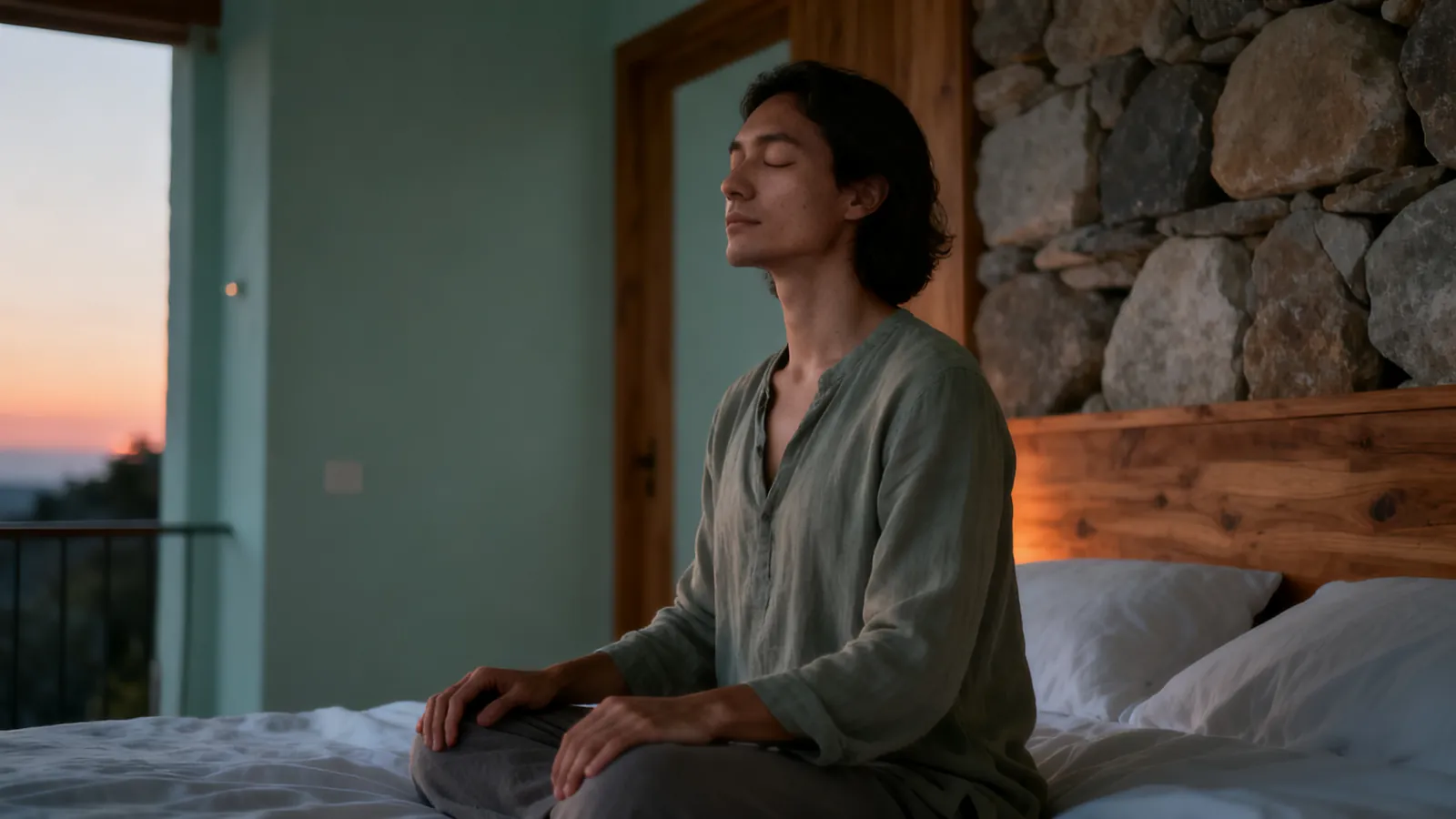
4-7-8 Breathing: How to Do the Technique
Learn the 4-7-8 breathing pattern step by step: exact counts, a beginner version, how long to practise, what to expect and when to stop.

Box Breathing: How to Do the Four-Equal-Sides Method
Learn box breathing: inhale, hold, exhale, hold, each for four counts. Step-by-step guide, beginner adjustments, and when to use it.
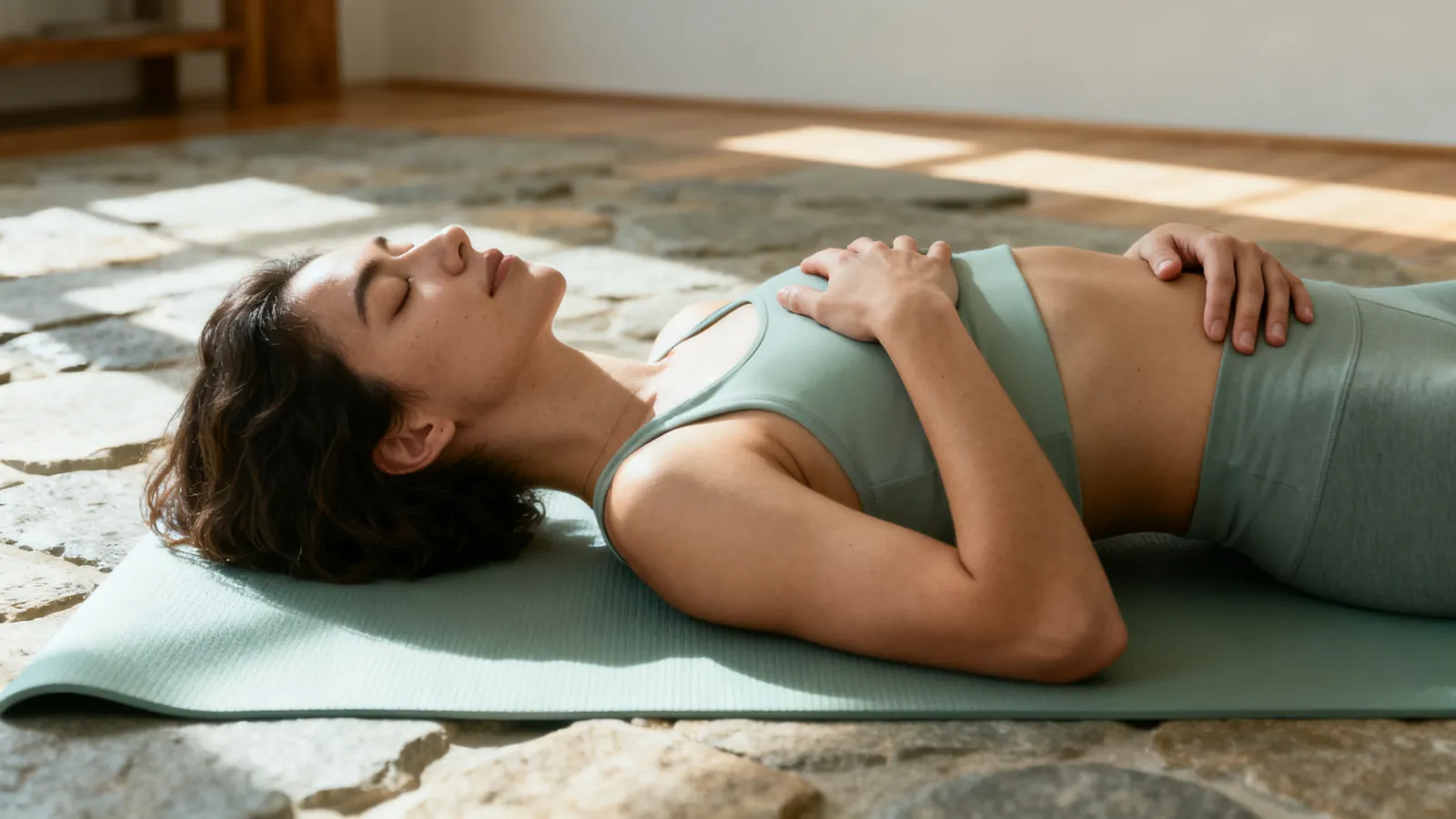
Diaphragmatic Breathing: A Step-by-Step Guide
Learn diaphragmatic breathing with step-by-step instructions. Discover how to tell chest from belly breathing, a lying-down practice, and a seated version.